
Understanding Social and Environmental Influences on Group Eating Behaviours
An educational exploration of how context shapes eating choices in social settings
Social Facilitation Effect
The social facilitation effect describes how the presence of others influences eating rate and portion consumption. Research observes that eating pace tends to accelerate in group settings compared to solitary meals. This phenomenon involves complex interactions between environmental cues, attention allocation, and social dynamics rather than simple conscious control.
The effect varies considerably between individuals, with some showing more pronounced acceleration than others. Understanding these patterns requires examining both the immediate social context and individual characteristics that influence responsiveness to group presence.
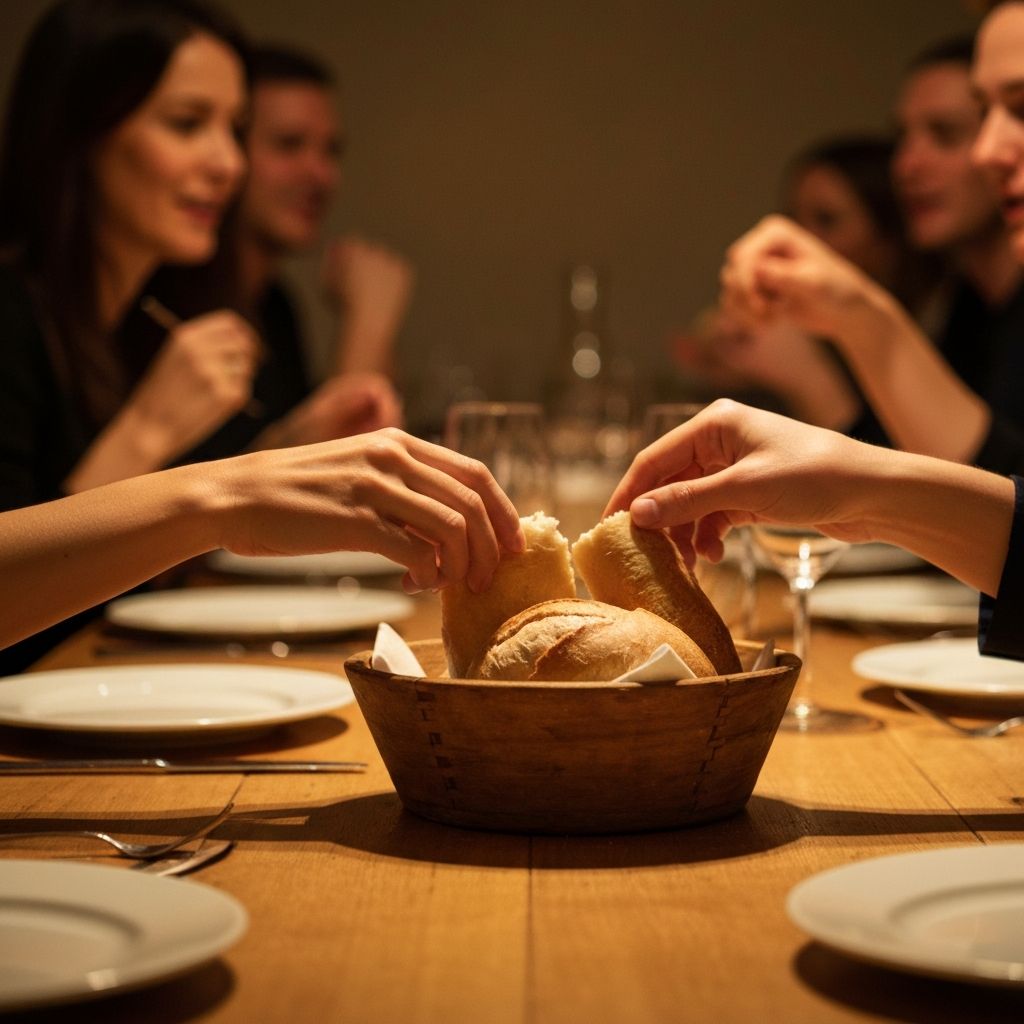
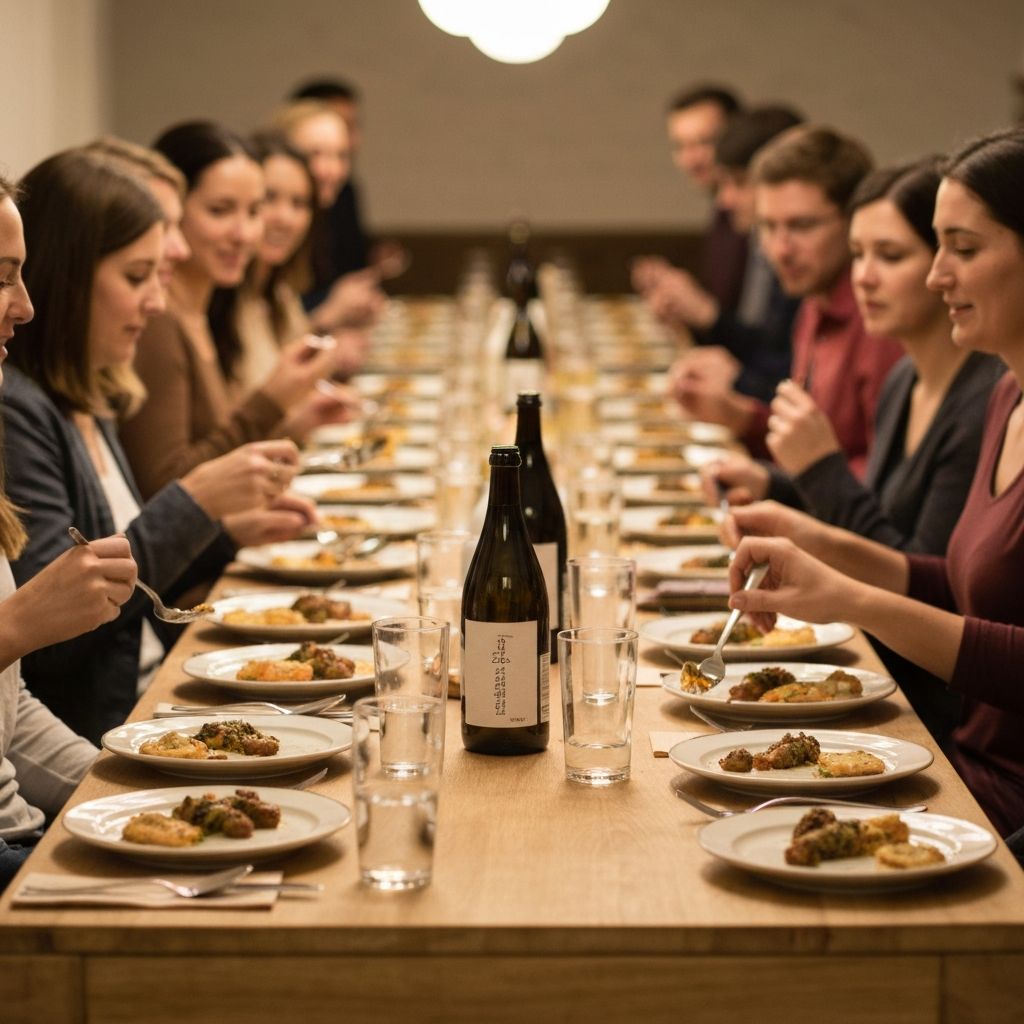
Modelling and Matching Behaviours
Social modelling describes the phenomenon where individuals unconsciously align their intake with others at the table. People tend to match the quantity and pacing of food consumption observed in their dining companions, a process that occurs largely outside conscious awareness.
This intake matching represents a significant mechanism through which group context shapes individual eating patterns. The effect appears stronger in informal social settings and weakens in contexts where individuals feel less connected to their dining companions.
Environmental Cues in Dining Settings
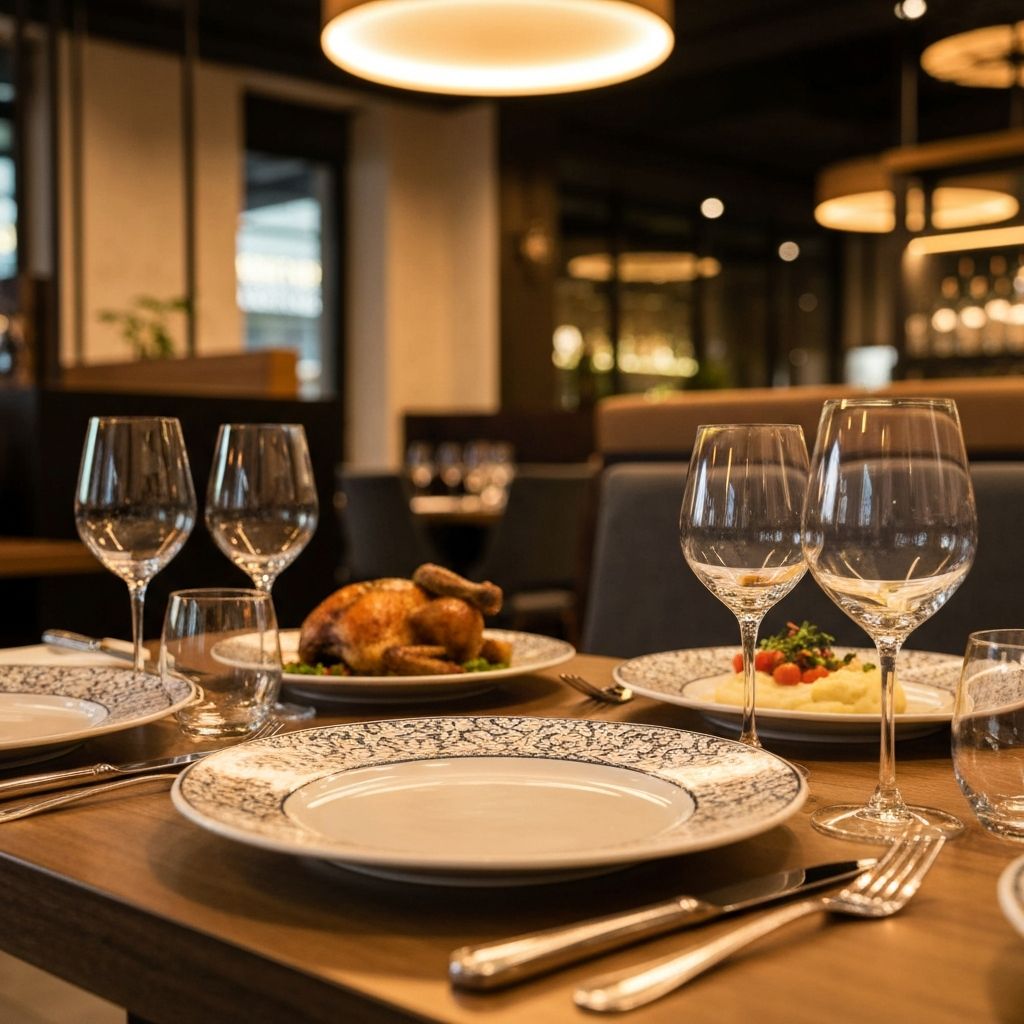
The physical environment of restaurants and dining spaces contains numerous cues that influence eating choices. Large plates, visible high-energy food displays, and shared platters create an environment that differs substantially from home dining contexts.
These environmental factors operate independently of conscious decision-making. The mere visibility of larger portions, attractive presentation, and variety of available foods influences intake patterns. Understanding these cues requires examining the restaurant and dining environment as active factors in shaping consumption.

Role of Conversation and Distraction
Conversation during meals significantly reduces attention directed toward internal hunger and satiety signals. Social engagement diverts cognitive resources away from monitoring food intake, creating a form of automatic eating that bypasses conscious evaluation.
This distraction mechanism operates regardless of intentional focus on eating. The more engaged individuals are in conversation, the less available cognitive capacity remains for internal cue monitoring. This represents a fundamental aspect of how social context reshapes the eating experience.
Alcohol and Disinhibition Patterns
Alcohol consumption influences eating behaviours through multiple mechanisms. Alcohol impairs the normal signalling between satiety cues and conscious awareness, alters judgement about portion appropriateness, and increases social disinhibition. These effects combine to shift eating patterns in group dining contexts.
The relationship between alcohol and eating intake appears bidirectional, with alcohol affecting hunger perception while social factors determine whether increased appetite translates to increased consumption. Individual responses to alcohol vary substantially based on tolerance, food availability, and social context.

Impression Management in Social Meals
Food choices in social settings are shaped by concerns about how others perceive eating behaviour. Individuals make choices designed to project desirable social images, ranging from sophistication to restraint. These impression management concerns influence what foods are selected, portion sizes, and eating pace.
The specific image individuals attempt to project varies by social context. In formal dining, impression management may involve demonstrating knowledge of food culture. In casual settings, it might emphasize casualness and comfort. Understanding these dynamics requires recognising food choices as social communication rather than purely individual decisions.
Research Context on Solitary vs Social Intake
Observational and experimental research consistently documents differences in energy intake between solitary and social meals. Average intake increases in social contexts, though the magnitude varies considerably. Research distinguishes between planned social flexibility—deliberately choosing to eat more in celebration—and automatic increases driven by environmental and social mechanisms.
Long-term patterns show variable recovery, with some individuals experiencing persistent intake differences and others returning to baseline patterns. This variability suggests that social eating effects depend on interaction between context, individual susceptibility, and behavioural patterns rather than representing a uniform effect across all people.
Individual Susceptibility to Social Influence
Research demonstrates substantial individual differences in susceptibility to social eating influences. Some individuals show pronounced acceleration of eating rate in social contexts, while others show minimal change. These differences appear related to factors including social orientation, food-related self-efficacy beliefs, and eating behaviour patterns.
Variability in social eating responses challenges explanations based on simple behavioural mechanisms. Instead, understanding social eating requires recognising multiple pathways through which social context influences behaviour, with different individuals responding through different mechanisms. This variability remains consistent across research studies and populations.
Links to Detailed Social Eating Explorations
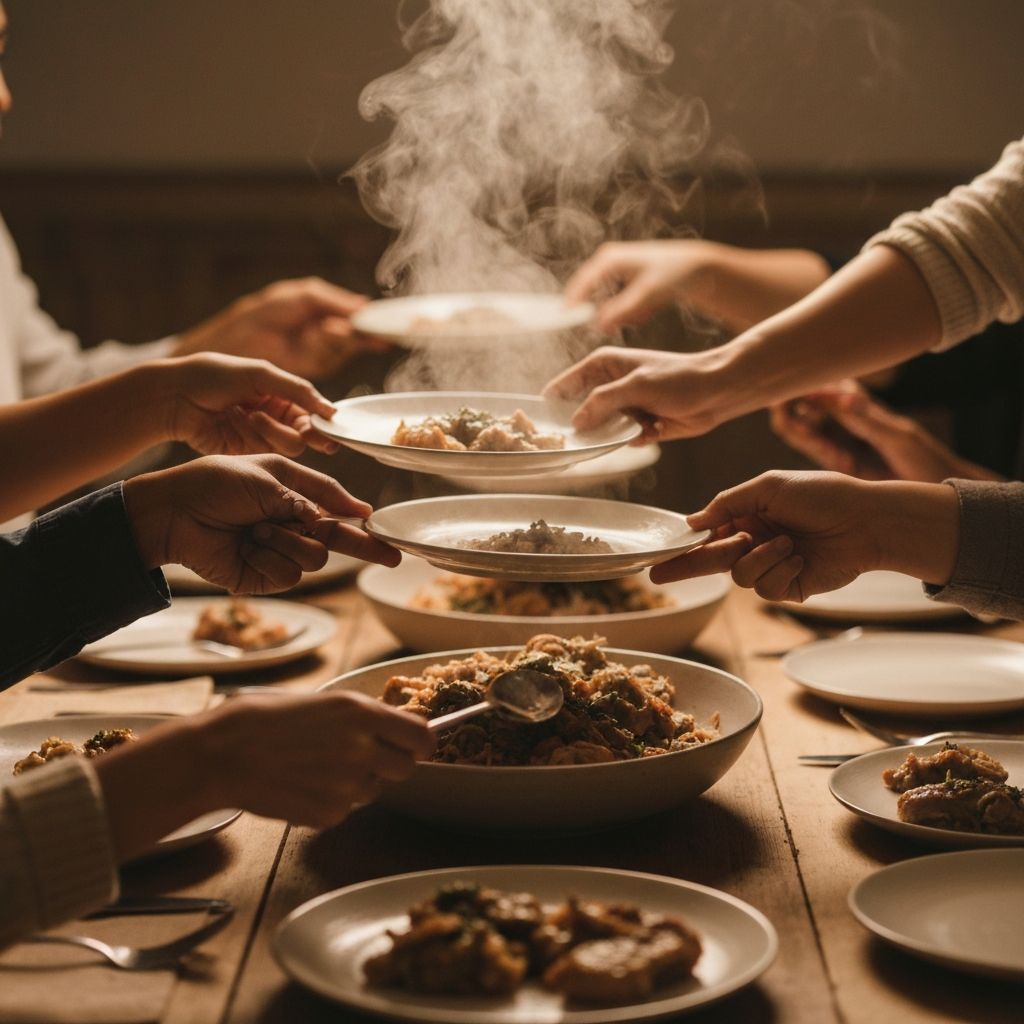
Social Facilitation and Its Effects on Eating Rate
Explore the mechanisms through which group presence influences eating speed and the research examining this phenomenon.
Explore this context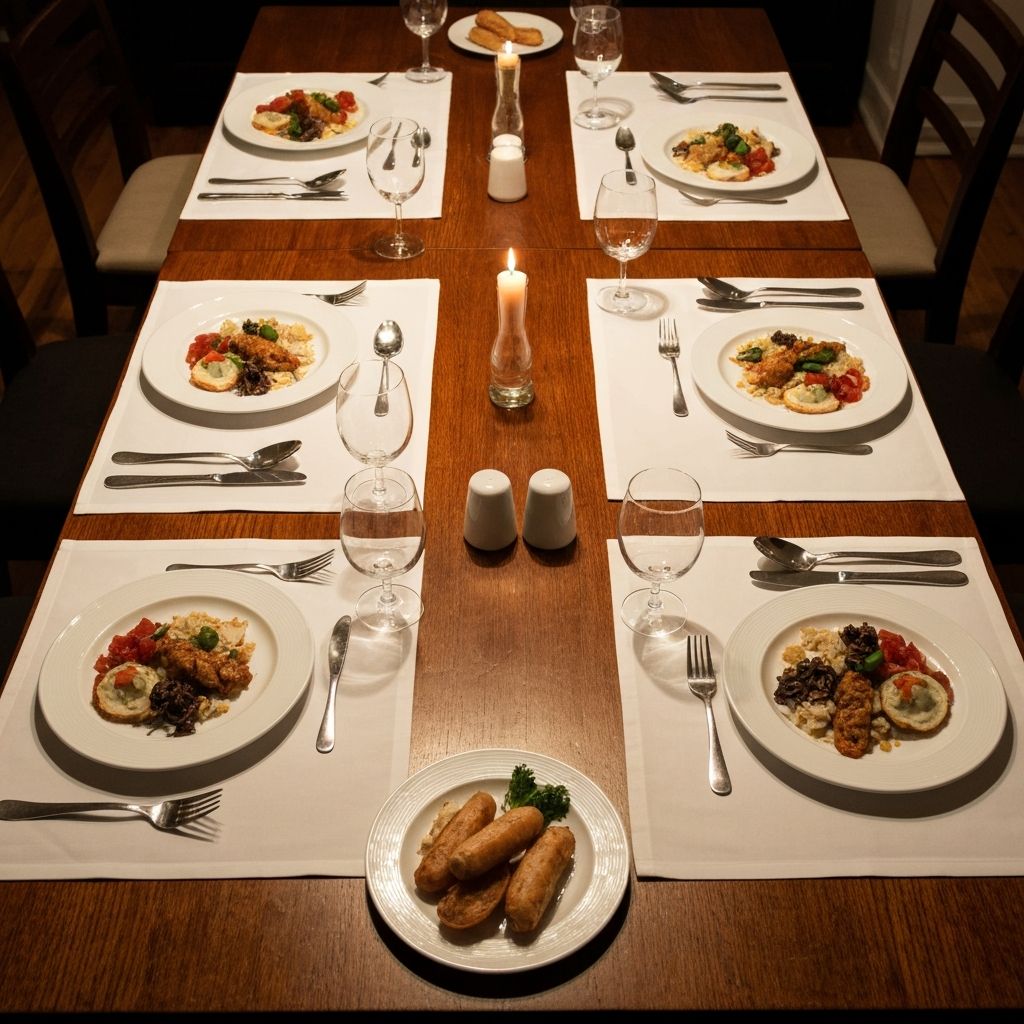
Modelling and Intake Matching in Group Settings
Learn about how individuals unconsciously align their consumption with dining companions through social modelling.
Explore this context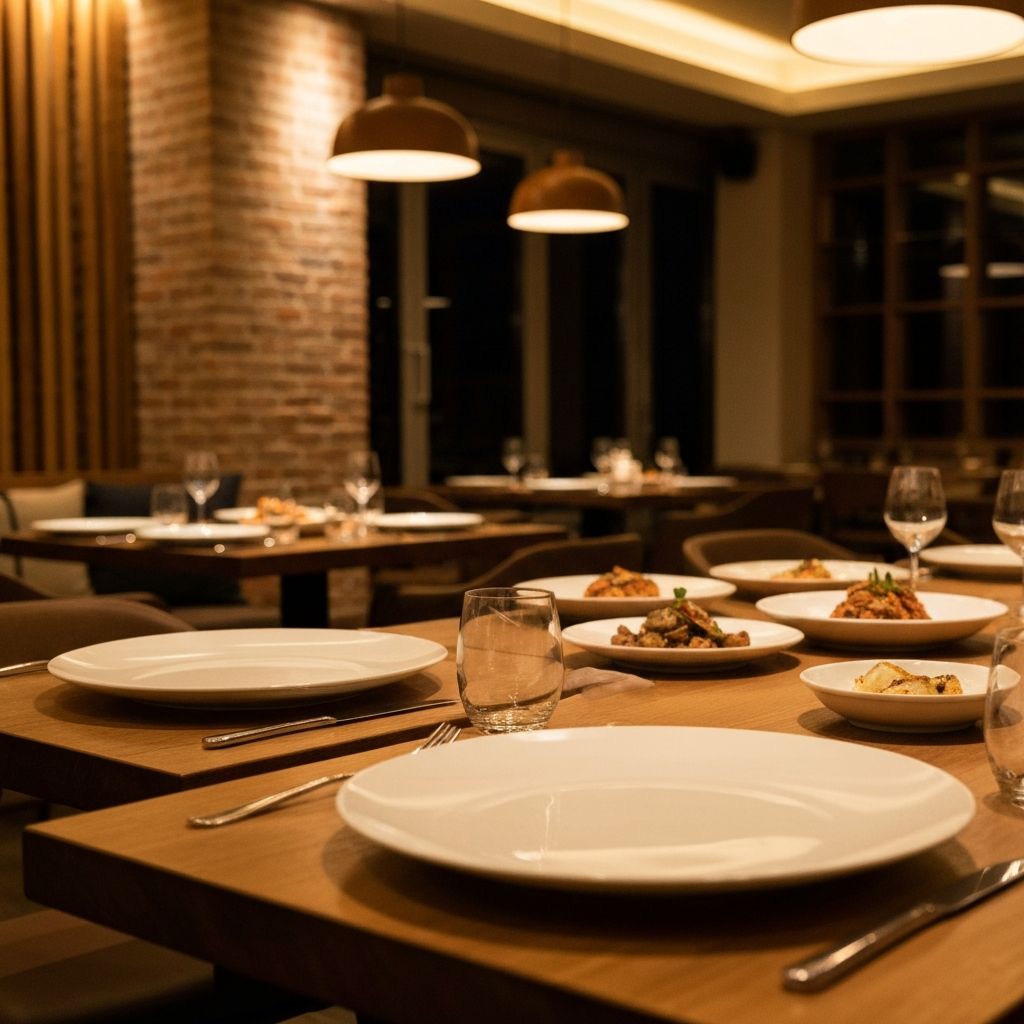
Environmental Cues in Restaurant and Pub Dining
Discover how the physical environment of dining spaces influences food choices and consumption patterns.
Explore this context
Role of Conversation and Cognitive Distraction
Examine how social interaction and conversation reduce attention to internal eating cues during meals.
Explore this context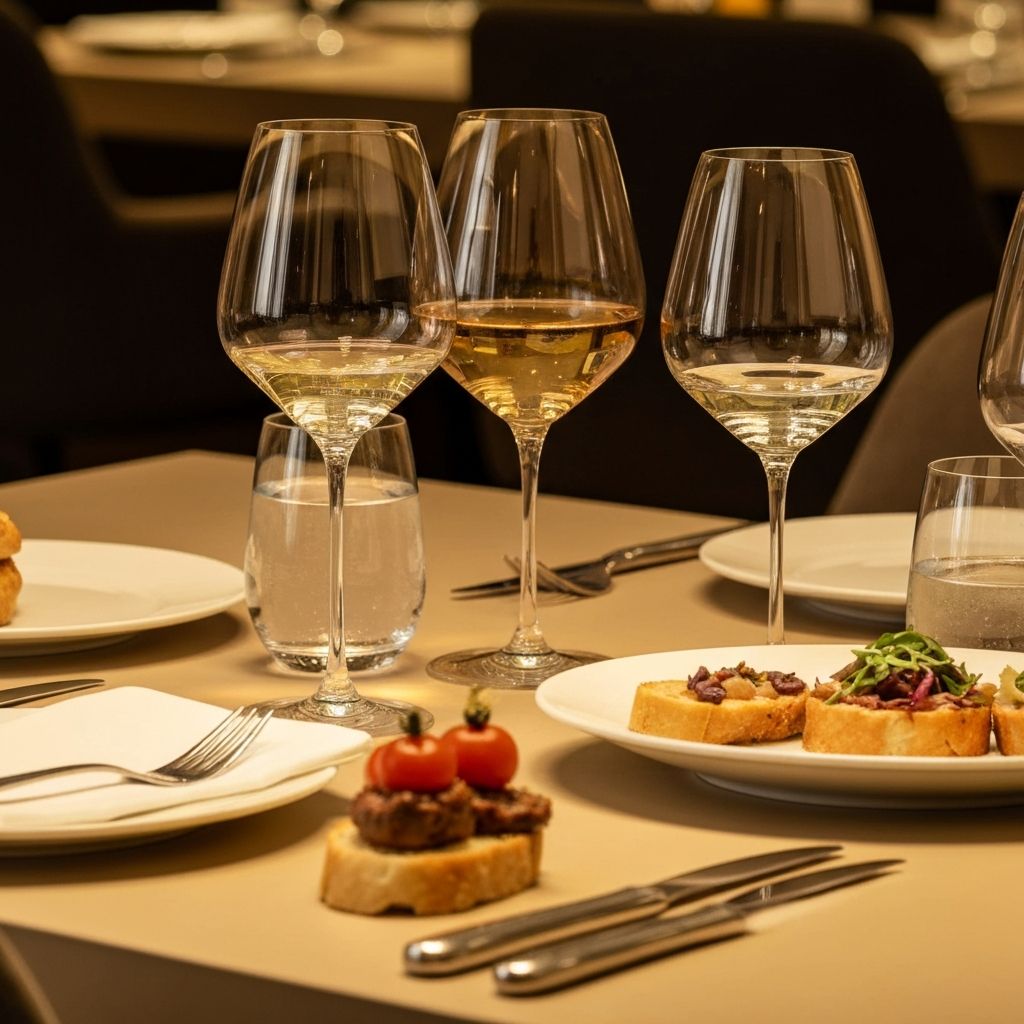
Alcohol Influence on Eating Disinhibition
Understand the complex relationships between alcohol consumption and eating behaviour in social dining.
Explore this context
Individual Differences in Social Eating Susceptibility
Explore the substantial variability in how different individuals respond to social eating influences.
Explore this contextFrequently Asked Questions
What is social facilitation in eating?
+Social facilitation describes how the presence of others influences eating rate and intake quantity. Research observes that eating pace typically accelerates when individuals dine in groups compared to eating alone. This phenomenon reflects complex interactions between attention, social context, and environmental cues rather than simple conscious control.
Do people always eat more in groups?
+Research documents substantial variability in individual responses to social eating contexts. While average intake tends to increase in groups, some individuals show minimal change and others show considerable acceleration. This variability depends on factors including individual characteristics, specific social context, food type, and dining environment.
What is dietary modelling in social eating?
+Dietary modelling refers to the unconscious alignment of food intake with dining companions. Individuals tend to match the quantity and pacing of food consumption observed in others at the table. This process occurs largely outside conscious awareness and represents a significant mechanism through which group context shapes individual eating patterns.
How do restaurant environments influence eating?
+Restaurant and dining environments contain numerous cues that influence eating choices. Large plates, visible high-energy foods, attractive presentation, and variety of available options all shape consumption patterns. These environmental factors operate largely outside conscious awareness and represent a significant context distinct from home dining environments.
Why does conversation affect eating during meals?
+Conversation during meals diverts attention away from internal hunger and satiety signals. Social engagement requires cognitive resources that would otherwise be directed toward monitoring food intake. This mechanism operates automatically, with greater social engagement typically associated with reduced attention to internal eating cues.
How does alcohol influence eating behaviour?
+Alcohol affects eating through multiple mechanisms including impairing satiety signalling, altering judgement about portion appropriateness, and increasing social disinhibition. These effects combine to shift eating patterns in group dining contexts. Individual responses to alcohol vary substantially based on factors including tolerance, food availability, and social environment.
What role does impression management play in food choices?
+Food choices in social settings are influenced by concerns about how others perceive eating behaviour. Individuals make selections designed to project desirable social images. The specific image individuals attempt to project varies by social context, making food choices an expression of social communication rather than purely individual preferences.
What is the difference between planned and unplanned eating in social contexts?
+Planned flexibility in social eating involves deliberate choices to eat more in celebration or special contexts. Unplanned increases reflect automatic responses to social mechanisms including facilitation, modelling, distraction, and environmental cues. Research distinguishes between these mechanisms, recognising that social eating encompasses both intentional social participation and automatic environmental responses.
How long do social eating effects persist?
+Research documents variable recovery patterns after social eating episodes. Some individuals show persistent intake differences following group meals, while others demonstrate rapid return to baseline consumption patterns. This variability suggests that social eating effects depend on complex interactions between context, individual characteristics, and behavioural patterns rather than representing uniform mechanisms.
Why do individuals respond differently to social eating contexts?
+Substantial individual differences in susceptibility to social eating influences reflect varying responsiveness to social facilitation, modelling, distraction, and environmental cues. These differences appear related to factors including social orientation, eating behaviour patterns, and individual susceptibility to environmental influences. Understanding social eating requires recognising multiple pathways through which context influences behaviour across different individuals.
Continue Exploring Social Context in Eating Behaviours
Discover detailed explanations of each mechanism and access research context on how social and environmental factors shape eating patterns in group settings.
View Social Eating Explorations